
‘SmartPark’ Expansion Could Mean Savings for Carriers
Pilot “SmartPark” programs in Tennessee and Michigan that give truckers real-time information about parking availability could be expanded if the U.S. House and Senate finally reach agreement on a long-term federal surface transportation bill. It often can take a driver 30 minutes or more to find a place to park his or her rig, increasing […]
Wireless Roadside Inspections Promise Productivity Gains for Carriers
Carriers could achieve substantial productivity gains and fuel savings if all goes as hoped in a long-awaited field test of a wireless roadside inspection (WRI) system to be conducted in five southern states starting this December. The Federal Motor Carrier Safety Administration (FMCSA) will engage 1,000 commercial trucks and buses in the test, which is […]
Why You Need to Protect Your Business Against Commercial Fleet Theft
Two-thirds of business owners who have commercial auto fleets say they don’t install car alarms in all of their vehicles. Reasons for this range from the fact that the risk of auto theft is low to the expense of arming the vehicles are more than the average annual losses incurred from theft. Car theft and […]
Owner Operators Or Employees Do You Know The Difference?
Do you staff your trucking company with owner operators or employees? If you think that you use owner operators, you may be incorrect. Companies across the US are misclassifying their employees and that mistake can cost them. Owner Operator vs Employee Independent contractor misclassification is common across all types of businesses, including the trucking industry. […]
Retirement of Drivers Points Toward Supply Chain Disruptions
The need to replace retiring drivers is the largest factor driving a shortage of drivers that could become so serious by 2024 that it causes “severe supply chain disruptions,” the American Trucking Associations (ATA) warns in a new report. If current trends continue, the nation’s trucking industry could face a shortage of 174,500 drivers by […]
The Promise of Autonomous Trucks
Nevada’s Department of Motor Vehicles has cleared Daimler Trucks North America to operate the first licensed autonomous commercial truck on a U.S. public highway. Heralding a new era of reduced accidents and lowered fuel consumption, Daimler’s introduction of the Freightliner “Inspiration Truck” raises a host of questions that drivers, fleet managers, and insurers will some […]
Transportation Hiring Practices: Driver Shortages and Female Operators
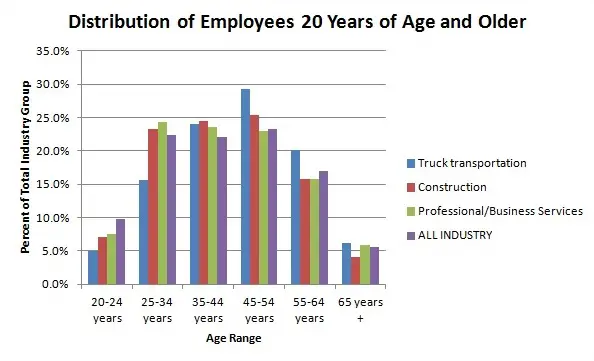
In August, the U.S. unemployment rate fell to 5.1 percent—the lowest since April 2008—when employers added 173,000 jobs. However, that percentage could be even lower. Today, there are many, albeit it too many, driver positions open within the trucking industry. In fact, the Driver Shortage category rose to the 2nd place ranking in the American Transportation […]
Fuel Efficiency Best Practices for Transportation Professionals
There are many ways to achieve improved fuel efficiency, as an individual driver, and as an organization. Here are some of our top tips to help you get started: Clean air filters helps vehicles consume less fuel Proper engine maintenance is another great way to reduce fuel consumption Maintain proper tire pressure to increase vehicle […]
Heavily Debated Trucking Industry Hours-of-Service Regulations Under Review
The Federal Highway Administration (FHWA) is currently reviewing the hours-of-service rules that were established in 1995 by the defunct Interstate Commerce Commission. FHWA has made it clear that they are assessing the regulations based on motor carrier efficiency and productivity as well as safety of motor carriers. The Insurance Institute for Highway Safety agrees that […]
Truck Driver Training a Critical Strategy for Driver Retention
Ensuring that fleet drivers have completed baseline driver training program is an important strategy for reducing driver incidences as well as retaining drivers long-term. A well-designed employer training program ensures that companies are clearly communicating their expectations as a baseline for future performance evaluations. There are many resources available to companies who are developing their […]